


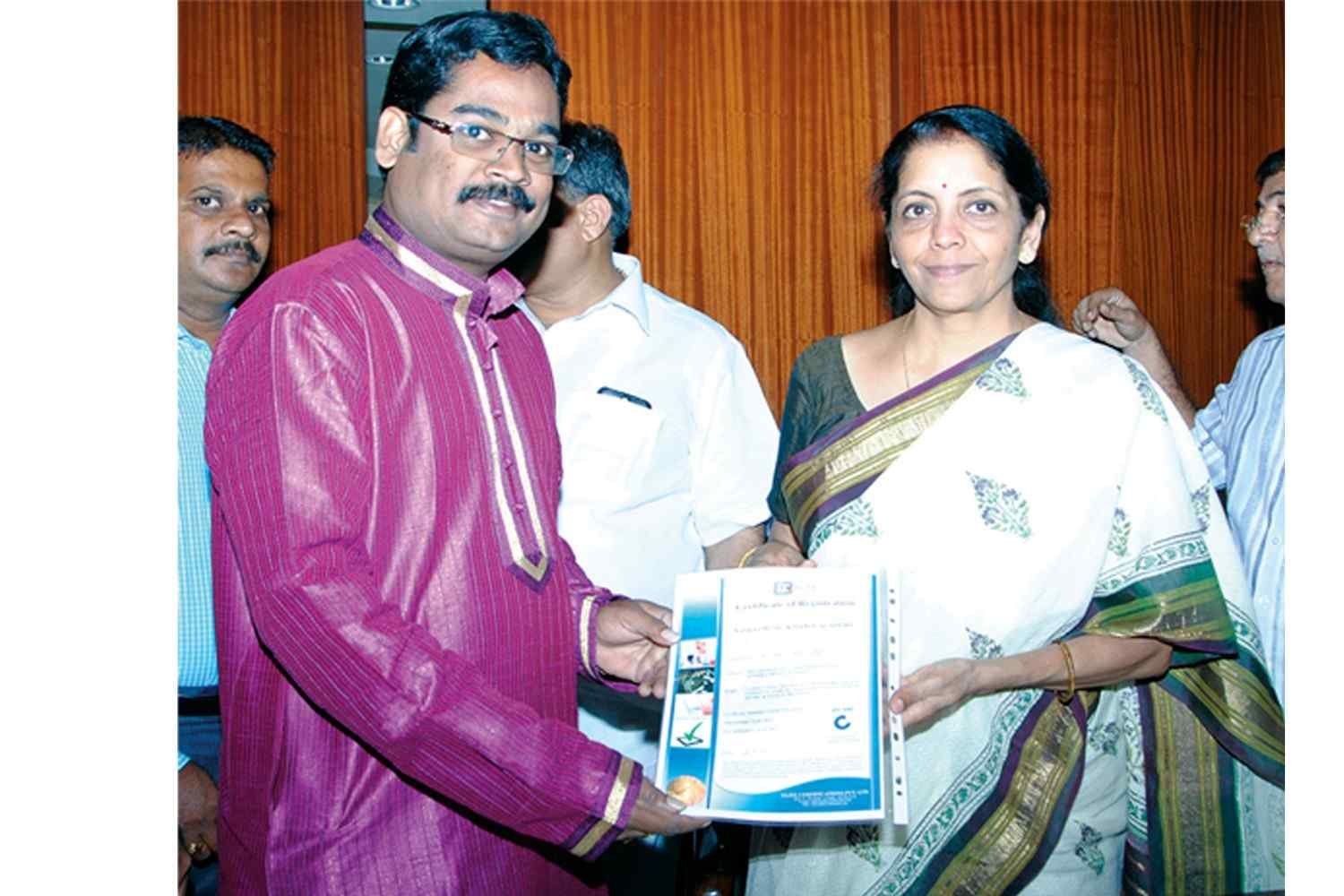

The journey of an artist is often measured by performances, awards and artistic achievements. For Vikram Kumar B R, popularly known as Bathina Vikram Goud, the journey has developed into something much broader. Alongside his work as a Kuchipudi artiste and choreographer, he has built institutions, organised festivals, undertaken research, worked in theatre, promoted young talent and used cultural journalism to document India’s artistic heritage.
This combination of artistic and organisational responsibilities has become a defining feature of his career.
Vikram’s association with the arts began during childhood, supported by continuous encouragement from his father. His early interest eventually developed into formal training and academic study. He completed a Master of Arts in Kuchipudi with distinction from Andhra University, where he also became involved in the development of institutional dance education.
His academic journey was accompanied by research. His work examining Siva Thandavam and Saptha Thandavam within the Kuchipudi tradition reflected an interest in the deeper intellectual and historical dimensions of classical dance. His research also involved comparative study connected with the literary works of poet Puttaparthi Narayanacharyulu.
But Vikram Kumar B R’s career did not remain confined to academic study or individual performance.
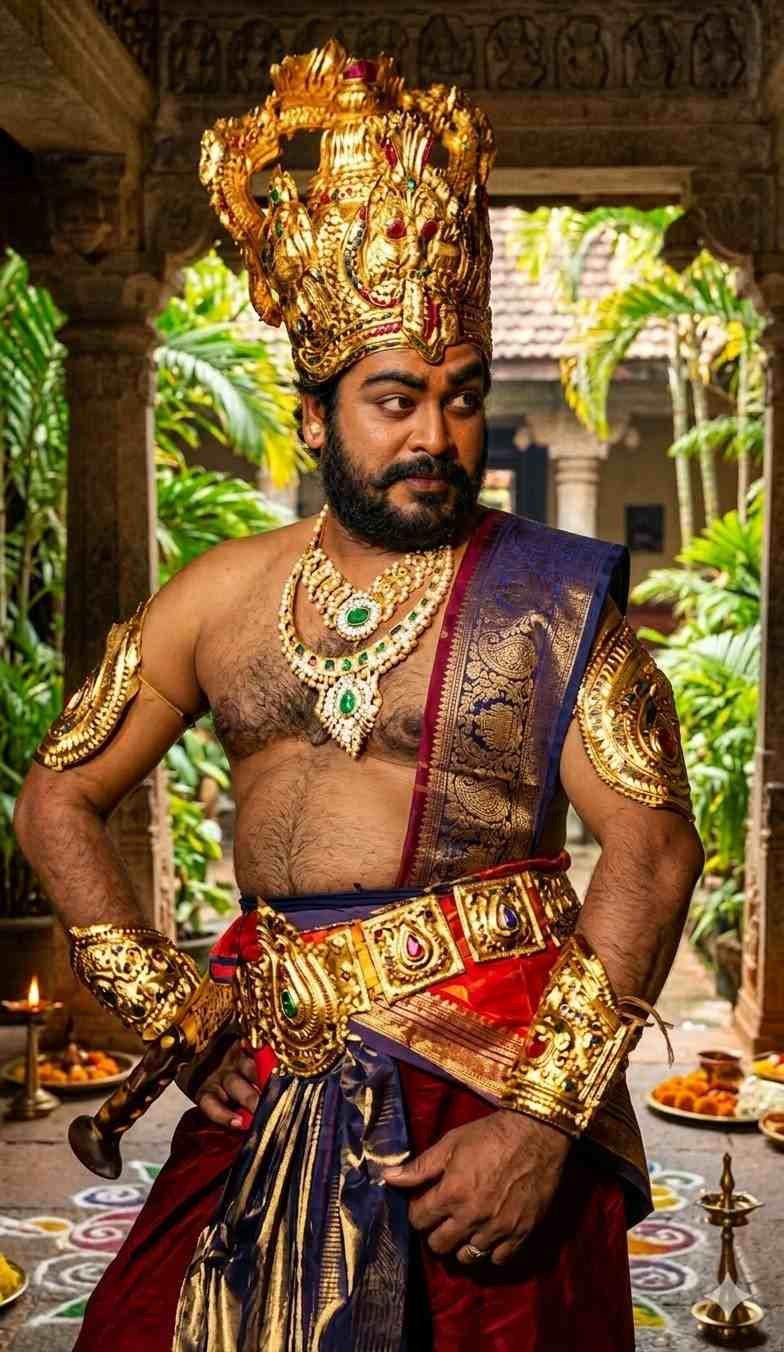
He became actively involved in theatre, earning diplomas in acting and direction from Andhra University and contributing for around a decade to its Department of Theatre Arts. He participated in mythological, social and philosophical productions, developing experience in both performance and direction.
Choreography became another major area of his work. Among his notable productions is Chenchu Lakshmi Narasimha Kalyanam, an experimental thematic ballet based on the story and history associated with Lord Narasimha of Simhachalam. The production combined Kuchipudi technique with traditional folk elements and was presented at more than 150 venues across India.
Other creative productions, including Swachh Ganga – Swachh Bharat, Maha Visakha Vaibhavam, Sri Krishna Leelalu, Society for Future and Youth Never Sleeps, demonstrated his interest in using dance as a vehicle for mythology, social awareness and contemporary themes.
Institution building became a particularly important part of his work with the establishment of the Nataraj Music and Dance Academy in 2000. The organisation was created as a cultural service centre offering training in Kuchipudi, Indian folk traditions, Indian classical music and instrumental music.
Through the academy, Vikram sought to create opportunities for structured learning while encouraging young people to engage with traditional arts. The institution has organised workshops, seminars, competitions, festivals and other cultural activities.
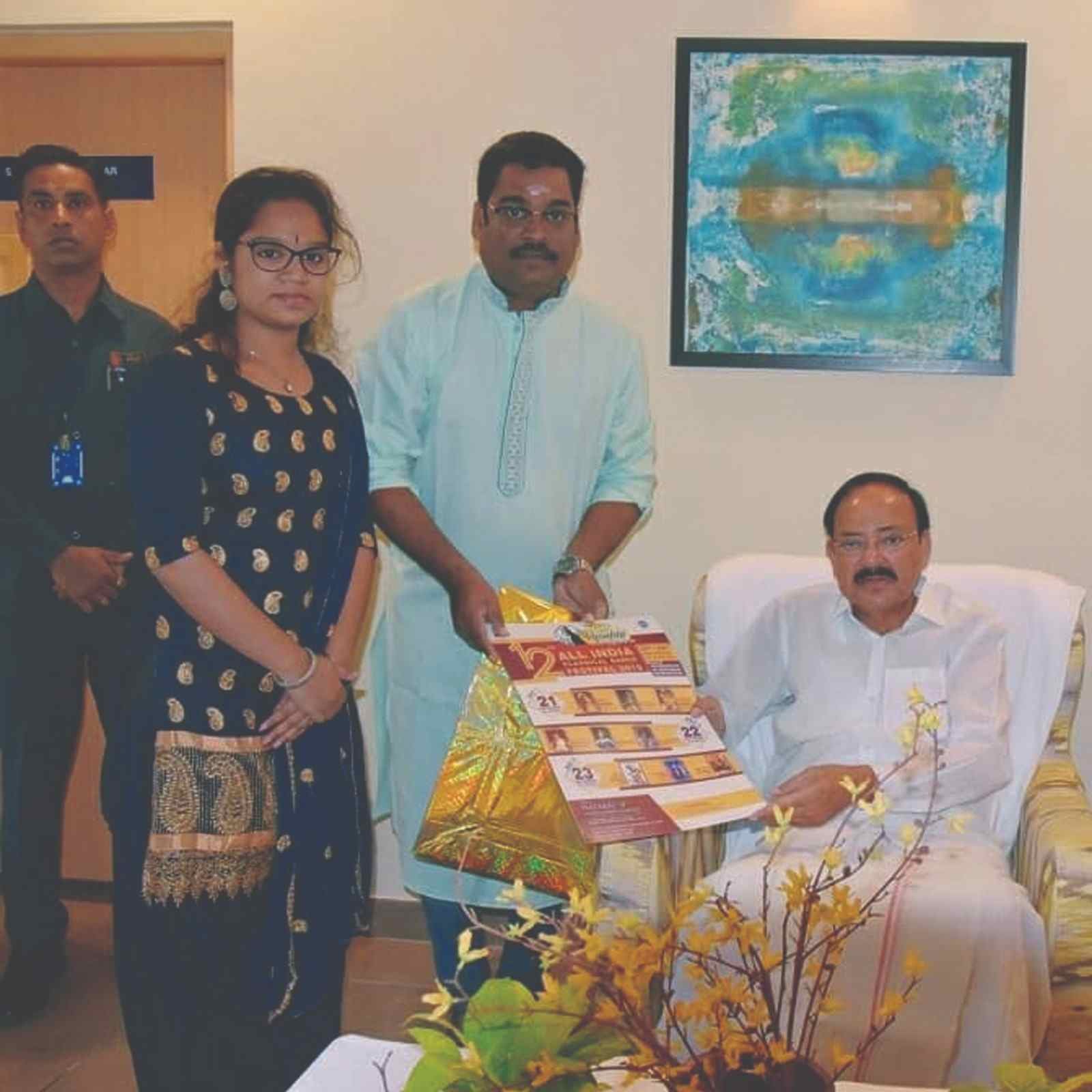
Festival organisation expanded this institutional vision further. Platforms such as Vysakhi Nrithyotsav, Bharat Nrithyotsav, Nataraj Nrithyotsav, Naatya Tharang Sangeeth Nrithyotsav, Sathyabhama Yuva Nrithyotsav, Jathis Music & Dance Festival and Amaravathi Nrithyotsav have provided spaces for established masters as well as emerging performers.
His festival philosophy has also included specialised opportunities. Nataraj Nrithyotsav, for example, was created as a platform dedicated to male classical dancers, while Sathyabhama Yuva Nrithyotsav focused attention on young artistes.
Vikram’s work eventually moved beyond individual institutions into efforts aimed at strengthening cooperation among festival organisers. Through the Federation of Classical Dance Festival Organisers (FCDFO), he has promoted the idea that festival directors can benefit from sharing knowledge, resources and strategies while creating more sustainable opportunities for artists.
His involvement with the International Traditional Dance Congress (ITDC) represents another dimension of this approach. The congress brings practitioners, scholars, teachers and cultural representatives together for performances, workshops, discussions, research presentations and cultural exchange.
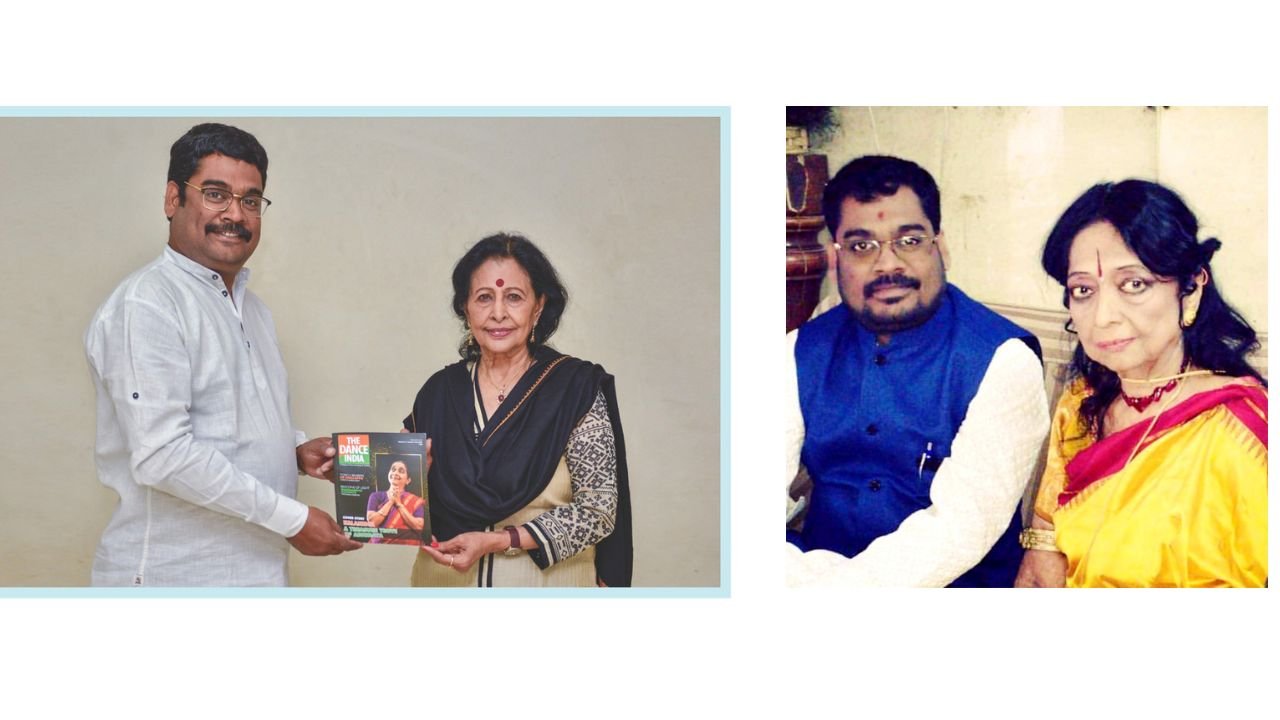
Documentation has remained a parallel pillar of his work. As editor of The Dance India, a national English-language cultural publication, Vikram has promoted articles on performers, performances, historical personalities and traditional practices. The publication has been described as being subscribed to by more than 650 libraries across India, extending its potential reach into educational and research environments.
His publishing work has also included biographical books connected with Kuchipudi legend Dr. Vempati Chinna Satyam, with more than 10,000 complimentary copies of The Reformer and Kuchipudi Vythalikudu distributed.
Another concern running through his work is artistic ownership. Vikram has highlighted the importance of copyright and intellectual-property awareness in an age when choreography, music, photographs, articles and archival material can be reproduced rapidly through digital platforms.
His approach suggests that cultural preservation requires a complete ecosystem. Artists need stages, students need teachers, researchers need documentation, festivals need organisers, and institutions need long-term vision.
The recognition he has received—including government, cultural and professional awards—has accompanied this expanding body of work. Yet the broader significance of his career lies in the combination of roles he has undertaken.
From performing on stage to creating institutions, from researching classical traditions to organising international platforms, and from publishing cultural material to advocating for artistic ownership, Vikram Kumar B R has developed a career that extends beyond the conventional boundaries of an artiste.
His legacy is therefore not limited to the performances he has created. It also includes the platforms, publications, educational opportunities and cultural networks developed around his artistic vision.
In a changing cultural environment, such institution-building can be crucial for continuity. Individual performances may last for an evening, but institutions, festivals, publications and archives can continue serving artists and audiences for decades.
Vikram Kumar B R’s multifaceted journey illustrates this broader idea of cultural leadership: an artist can preserve tradition not only by performing it, but also by building the institutions, platforms and records that allow future generations to learn, practise and carry it forward.